1. Analysis
- Current cryptography: where classical algorithms are used and exposed to quantum threats
- Evaluate your target platform (FPGA, ASIC, MCU, SoC) for PQC readiness
PQC is standardized, migration deadlines are approaching, and regulations like the Cyber Resilience Act demand stronger cryptography in embedded products. You know that you need to implement PQC.
But how does this impact your system?
Validate PQC on your target platform (FPGA, ASIC, MCU) before choosing a vendor or approach. Understand real resource cost, integration effort, and migration path based on your system.
We help you make a defensible PQC decision in weeks. So you can move forward with confidence.
Ready to start with PQC evaluation and integration on your target platform?
Make the right PQC decision for your embedded system.
We analyze your hardware architecture (FPGA, MCU, ASIC), data paths, and constraints and derive the right approach from there.
ML-KEM and ML-DSA impact memory, interfaces, latency, and protocols. We evaluate how PQC interacts with your stack (e.g. TLS, IPsec, secure boot), not just the primitive itself.
No generic benchmarks. We assess resource usage, timing, and integration effort on your FPGA, MCU.
You get a concrete recommendation: where to integrate PQC, how to implement it, and what trade-offs you are making.
If the right solution is not our IP, we will say it. The goal is a correct design decision, not a dependency.
PRODUCT
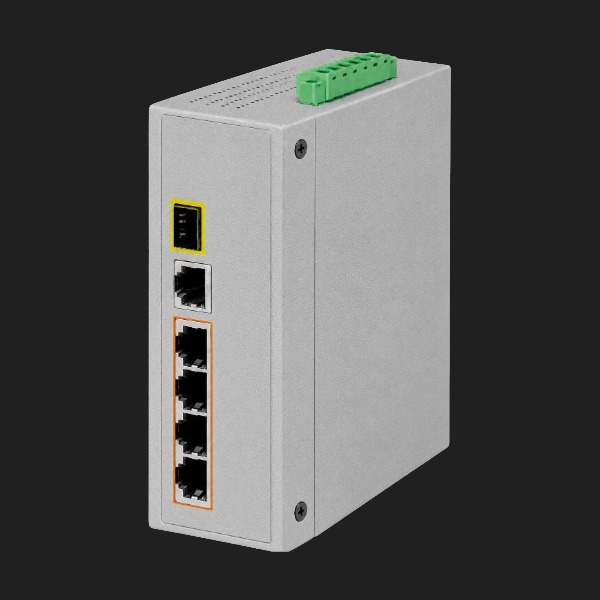
Industrial Gateway
CHALLENGE
The challenge was to evaluate whether post-quantum cryptography could be integrated into their existing AMD Zynq UltraScale+ based industrial gateway within tight FPGA resource constraints, without degrading performance or disrupting the established functional and data communciation architecture.
RESULTS
The result was a validated ML-KEM hardware prototype on the target FPGA, confirming resource fit and performance while providing a clear, data-driven roadmap for a phased migration to post-quantum cryptography
Supports ML-KEM algorithm.
Allows two parties to securely establish a shared secret over an untrusted channel. This secret is typically used as the basis for symmetric encryption.
Supports ML-DSA algorithm.
Enables the creation of digital signatures to verify the origin of a message and protect it from undetected modifications.
Supports ML-KEM and ML-DSA algorithm.
Creates digital signatures and enables secure key exchange for encrypted communication.